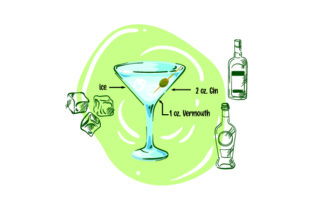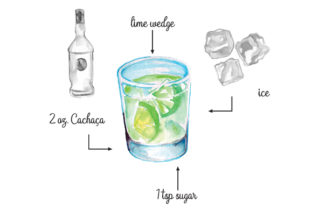
Old-Fashioned Infographic for Food and Crafts Projects
As an experienced blog designer and digital publisher, I've reviewed countless graphic design assets over the years. The Old-Fashioned Infographic stands out as a versatile tool that blends charm with functionality. This design asset feels like a warm invitation to explore the world of food and crafts—its aesthetic is nostalgic yet polished, making it ideal for content creators who want to evoke a sense of tradition and artistry.
A Nostalgic Touch for Modern Content
The first impression of Old-Fashioned Infographic is its ability to create a lifestyle-focused editorial mood. It carries a whimsical, decorative flair that suggests handcrafted creativity. Whether used in a blog post about baking or a tutorial on DIY projects, this infographic brings a playful yet professional vibe that can enhance reader perception.
It naturally supports content niches centered around food and crafts. Its visual style leans towards artistic and seasonal themes, which makes it perfect for content that aims to feel personal, approachable, and visually engaging.
Real Publishing Use Cases for Old-Fashioned Infographic
This graphic design asset can be integrated into various publishing scenarios. For example:
- Blog Featured Images: As a hero image, it adds character without overwhelming the page.
- Pinterest Graphics: The vintage look works well for Pinterest pins targeting DIY and cooking communities.
- Newsletter Headers: It can serve as a header for newsletters focused on seasonal crafts or recipes.
- Downloadable Resources: Perfect for printable guides or worksheets that need a friendly, approachable appearance.
- Social Media Previews: Ideal for Facebook, Instagram, or Twitter visuals that require a touch of personality.
Its versatility allows it to support multiple formats such as SVG, Transparent PNG, EPS, and DXF, ensuring compatibility across both digital and print-based content marketing efforts.
Boosting Content Performance with Visual Appeal
Using Old-Fashioned Infographic in your content strategy can significantly improve performance. It offers a stronger first impression, which is crucial for capturing attention on a busy website. The design contributes to clearer visual hierarchy, helping readers quickly understand the content's purpose.
Additionally, it enhances brand identity by creating a consistent visual tone across different platforms. Readers begin to associate this look with quality and trust, especially when used in lead magnets or digital guides. This visual consistency also improves category recognition, making it easier for users to navigate through your content offerings.
Where This Design Works Best
The Old-Fashioned Infographic shines in situations where a touch of nostalgia and creativity is desired. It performs best in:
- Hero Images: On landing pages or homepage banners.
- Article Thumbnails: For content archives or feeds that showcase creative tutorials.
- Pinterest Pins: Especially for niche audiences interested in handmade goods and culinary arts.
- Editorial Accents: To highlight sections in long-form articles or digital magazines.
- Content Upgrades: When offering downloadable resources like recipe cards or craft kits.
Its use in these areas ensures that the visual identity remains cohesive and impactful.
Use with Caution in Certain Contexts
While Old-Fashioned Infographic is highly adaptable, it may not suit all publishing needs. Avoid using it in:
- Small Mobile Thumbnails: Where detail is lost due to low resolution.
- Text-Heavy Blog Images: It could compete with the text rather than complement it.
- Low-Contrast Backgrounds: Where readability might suffer.
- Busy Layouts: It may become visually overwhelming if placed among too many other elements.
- Corporate Content: If the brand requires a more modern or minimalistic look.
Always test it in real-world conditions before finalizing its use.
Publisher Notes for Optimal Results
To ensure the best results from Old-Fashioned Infographic, consider the following tips:
- Test on Multiple Devices: Ensure it looks good on desktop and mobile screens.
- Check Thumbnail Appearance: Confirm that it maintains clarity when viewed as a small preview.
- Preview in Real Blog Layouts: See how it interacts with surrounding content and headlines.
- Review Contrast and Readability: Make sure text overlays are legible against the design.
- Try in Black and White: Assess its effectiveness in monochrome contexts.
- Pair with Different Fonts: Test it beside serif, sans-serif, script, and display fonts for varied aesthetics.
- Optimize File Size: Compress images properly for web performance without losing quality.
- Confirm Licensing: Always verify commercial licensing before using it on monetized websites, affiliate pages, or paid products.
By taking these steps, you can maximize the impact of Old-Fashioned Infographic in your editorial and digital publishing workflows.
Final Thoughts on Old-Fashioned Infographic
In summary, the Old-Fashioned Infographic is a valuable graphic design asset for bloggers, publishers, and content creators looking to add a unique, charming element to their work. Whether used in a digital guide, Canva template, or social media graphic, it supports a wide range of content types while maintaining a strong visual identity.
With its blend of traditional appeal and modern adaptability, this design asset is a great addition to any content marketing toolkit. Just remember to use it thoughtfully, considering both the context and the audience you're trying to reach.